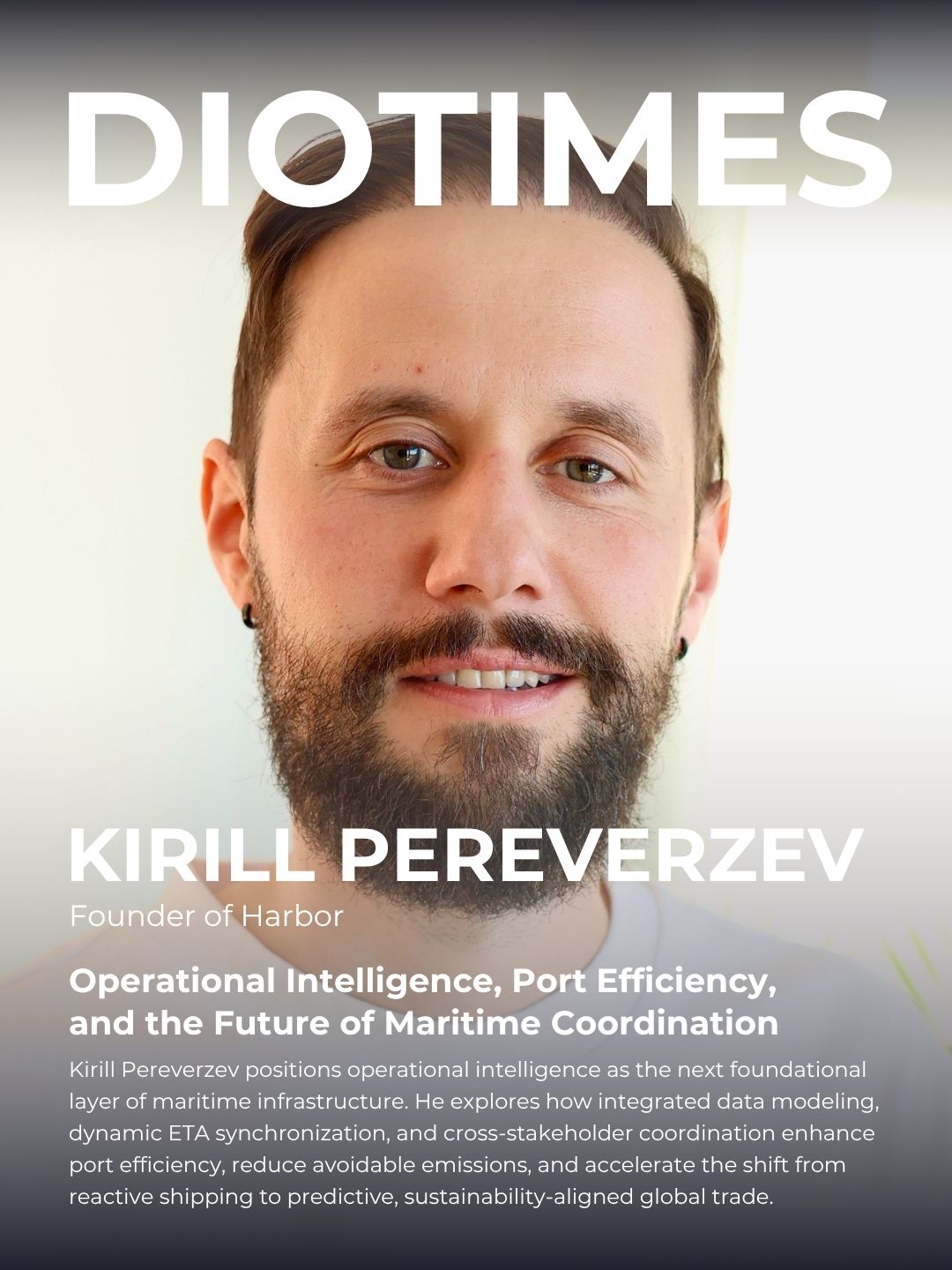
Kirill Pereverzev, Founder of Harbor, approaches maritime digital transformation not as a data expansion challenge but as an integration imperative. Drawing from his background in navigation, logistics, and international technology development, he argues that modern shipping suffers from fragmented operational systems rather than insufficient information.
In this interview, he explains how Harbor is building an operational intelligence layer that synchronizes ETA coordination, berth planning, and port–fleet alignment in real time. By contextualizing AIS signals, port call data, congestion indicators, and weather inputs, Harbor seeks to reduce avoidable fuel consumption, minimize anchorage waiting, and improve predictability across maritime networks.
As regulatory pressure intensifies—particularly in Europe—efficiency and sustainability are converging priorities. Kirill Pereverzev outlines how integrated coordination can reduce emissions near urban ports while strengthening operational resilience. He also reflects on leadership in legacy infrastructure industries, emphasizing patience, trust, and system-level thinking as essential drivers of meaningful transformation.
Could you briefly introduce yourself, your background, and the founding vision behind Harbor?
After earning my degree in maritime studies, I began my career in navigation before moving into digital product development and international logistics. Working at sea and in operational coordination roles gave me a clear understanding of how decisions are made under pressure—often with incomplete information.
Over time, I realized that the maritime industry does not lack data. Rather, it lacks operational context and integration. Ports, fleets, and service providers operate parallel systems that rarely communicate in real time.
Harbor was established to close this structural gap. We are building an operational intelligence layer that connects fragmented maritime data and transforms it into decision-support tools for ports and fleet operators. Our focus is on efficiency, coordination, and environmental responsibility.
How did your navigation and logistics experience shape your decision to build Harbor?
Navigation teaches discipline and accountability. Logistics reveals how small coordination failures create inefficiencies across the entire value chain.
For many years, fuel consumption was rarely questioned in day-to-day operations. Once bunker costs were absorbed into freight pricing, speed adjustments and anchorage waiting were considered normal. However, that mindset is changing.
In Europe, particularly in Spain, many ports are located near major urban centers. Local communities are directly affected by congestion and idle emissions. Regulatory pressure on CO₂ accountability and efficiency is increasing.
Harbor reflects this shift. The objective is not speed at any cost. It is to maintain reliable delivery timelines while improving coordination and reducing unnecessary fuel consumption.
How did your international academic experience influence your leadership approach?
Studying in international environments exposed me to structured strategic thinking and cross-cultural collaboration. Maritime is inherently global, and leadership in this industry requires flexibility and awareness of diverse regulatory and business cultures.
I began to think as a system builder rather than solely as an operator. Many inefficiencies in maritime operations are structural rather than individual.
This mindset guides Harbor’s development. Instead of optimizing isolated tasks, we focus on improving coordination across the broader operational ecosystem—balancing efficiency, resilience, and environmental responsibility.
When did you recognize that the industry lacks integrated operational intelligence?
The realization came gradually. AIS data exists. Port scheduling systems exist. Weather forecasts are accurate. Yet vessels still arrive out of sync with berth availability and wait at anchorage.
The issue is not missing data—it is disconnected data. Systems do not communicate in ways that support coordinated decision-making.
In the past, inefficiencies were absorbed into operational costs. That tolerance is decreasing, especially in Europe. Emissions near urban ports are under scrutiny, and fuel is now treated as a measurable liability rather than a fixed expense.
Harbor is built on the conviction that integration and contextual intelligence matter more than simply adding new data sources.
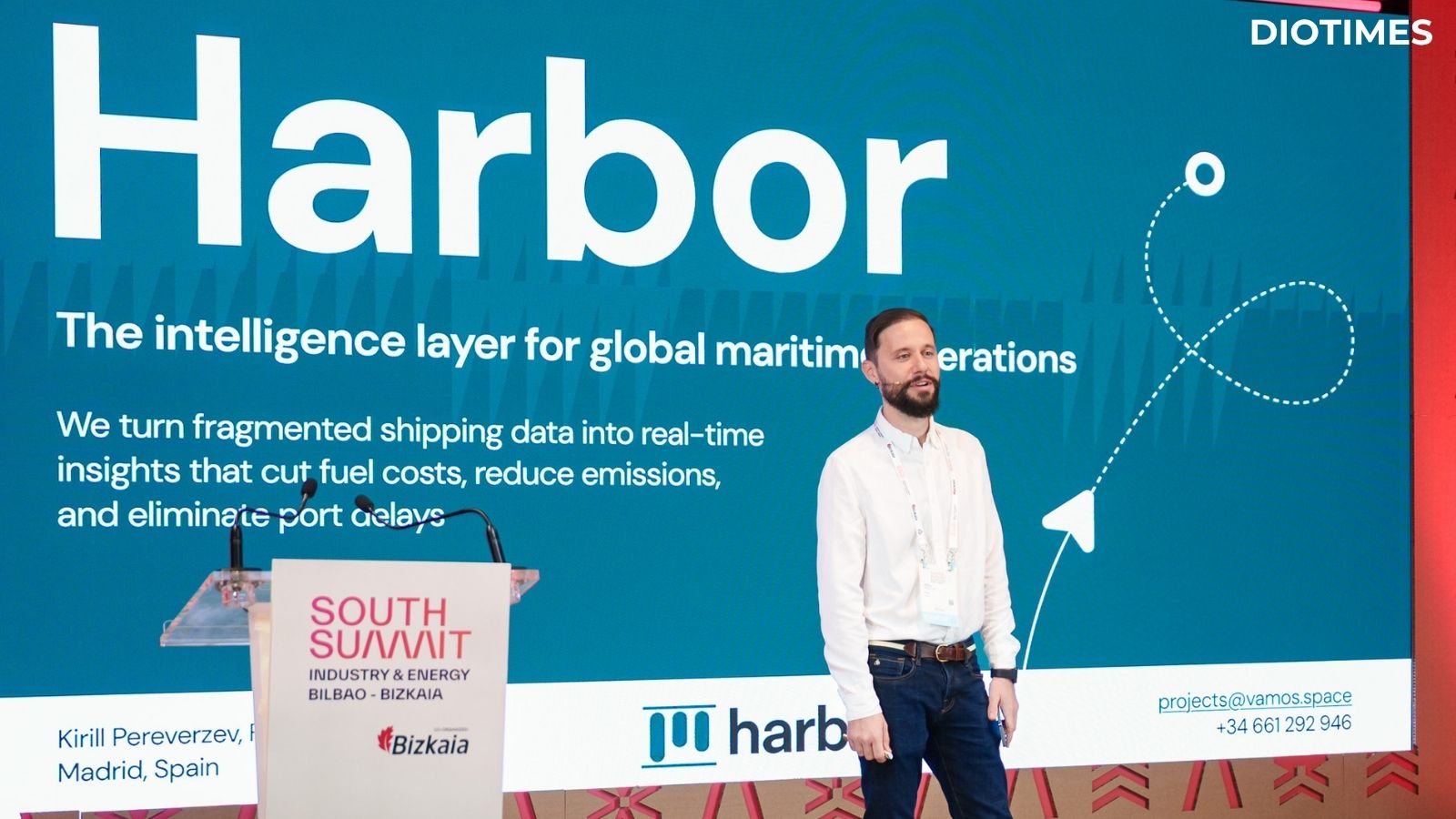
What operational gaps led you to start Harbor?
We consistently observed misaligned ETAs, inefficient berth planning, prolonged anchorage waiting, and reactive coordination between vessels and ports.
These inefficiencies increase fuel consumption and emissions—particularly in congested European ports near populated areas. Delivery deadlines remain critical, but rushing without coordination often produces greater inefficiency.
Harbor aims to synchronize operations intelligently rather than compromise reliability. By connecting operational signals, we improve predictability and reduce avoidable environmental impact.
How would you describe structural inefficiencies in port and fleet operations today?
Many systems operate in isolation. Legacy infrastructure, limited interoperability, and inconsistent data standards restrict integration.
Manual coordination remains central. Spreadsheets, emails, and phone calls are still widely used in critical planning processes. Incentives are often misaligned—ports focus on berth utilization and throughput, while fleet operators optimize voyage efficiency.
Without a shared intelligence layer, coordination becomes reactive instead of predictive.
Harbor provides a neutral integration layer that enhances visibility and coordinated decision-making without replacing existing infrastructure.
What makes Harbor distinct from other digital maritime platforms?
Many platforms focus on tracking or visualization. Harbor integrates data, contextual modeling, and operational decision support within one system.
Our objective is not simply to display information but to organize data around real operational decisions. By connecting AIS, port call data, weather inputs, and congestion indicators, we generate outputs such as dynamic ETA updates and coordination insights.
Harbor is designed to support collaboration between vessels and shore teams—not just to visualize data.
What operational data does Harbor integrate, and how is it converted into insights?
Harbor integrates AIS data, port call information, weather forecasts, congestion updates, and key operational signals from both ports and fleet operators.
We normalize and contextualize this data using modeling logic that transforms raw inputs into structured outputs—such as adjusted ETA forecasts and coordination indicators.
Decision-makers do not need more data streams. They need reliable insight that supports timing, efficiency, and compliance within real-world operational constraints.
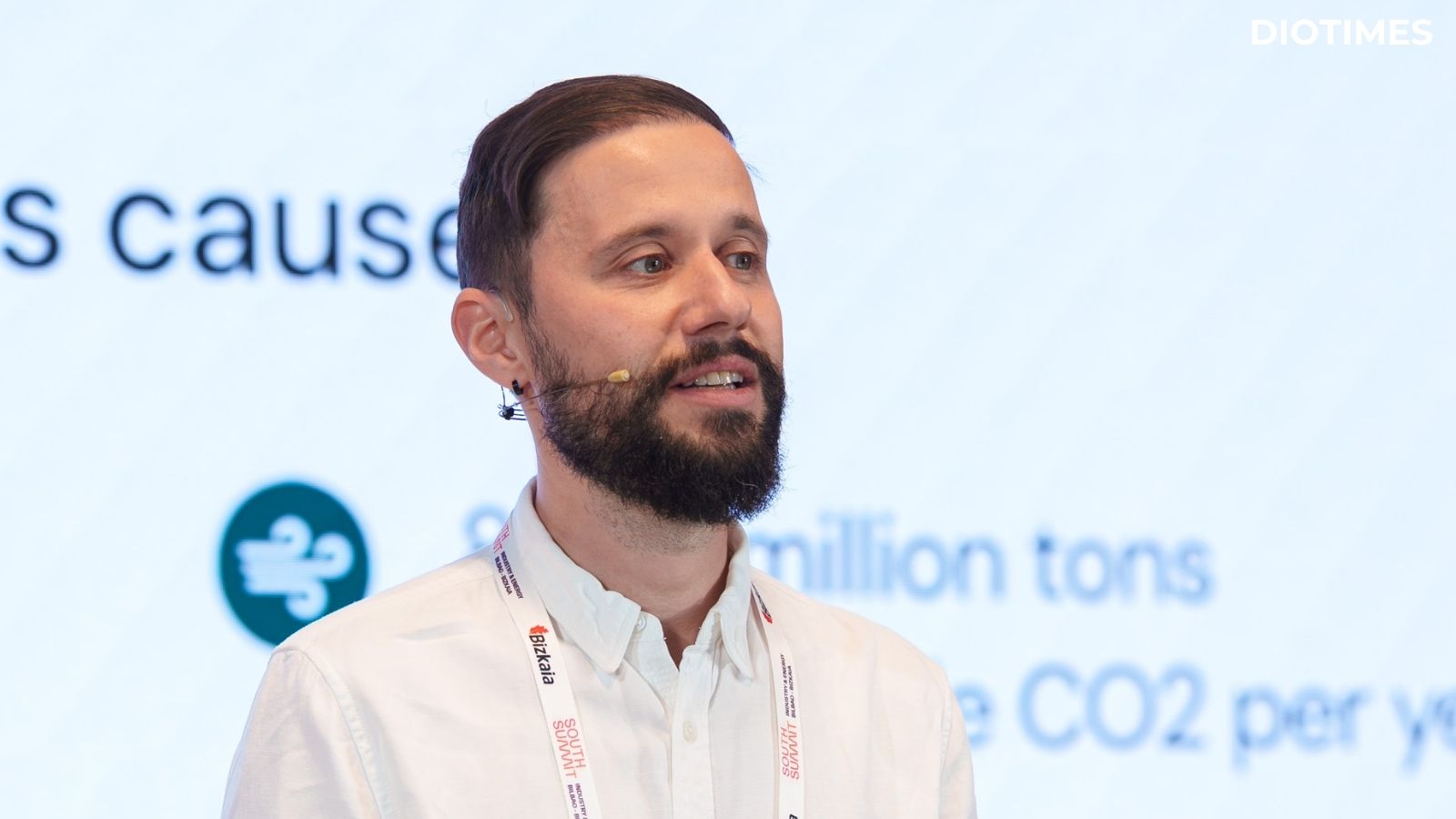
Is Harbor a dashboard, predictive engine, middleware layer, or a combination?
Harbor is a combination, but fundamentally it operates as an operational intelligence engine.
It includes a data integration layer, predictive coordination logic, and a decision-support interface. Visualization is important, but contextual modeling and synchronization create the primary value.
Our architecture is built to integrate with existing systems rather than replace them, enabling gradual digital evolution within legacy environments.
Can you share an example of operational impact?
In congested ports, vessels often adjust speed to meet a planned arrival window, only to wait at anchorage due to berth misalignment.
Through improved coordination and dynamic timing adjustments, arrival can align more closely with actual port capacity. Even modest alignment improvements reduce idle waiting hours, lower fuel consumption, and enhance berth predictability.
While pilot projects are ongoing, early results indicate that integrated visibility strengthens planning confidence and reduces reactive decision-making.
How does Harbor contribute to sustainability?
Harbor approaches sustainability through operational efficiency rather than ESG reporting.
Smarter ETA alignment reduces unnecessary speed fluctuations and anchorage waiting. Improved coordination lowers idle engine time near ports.
In Europe, environmental regulation is evolving rapidly. Ports near cities face increasing public scrutiny.
Operational intelligence aligns efficiency with sustainability. These objectives are no longer competing—they are increasingly inseparable.
What have you learned about go-to-market strategy across regions?
In Europe, decision-making is structured and compliance-driven. Pilot programs are essential due to regulatory scrutiny and public accountability.
In the Middle East, decision cycles can be faster, supported by centralized leadership and ambitious infrastructure development.
We also see strong momentum in Southeast Asia, where congestion challenges are significant and openness to innovation is high.
Across all regions, trust and operational credibility remain critical. Demonstrating measurable value through pilots is foundational.
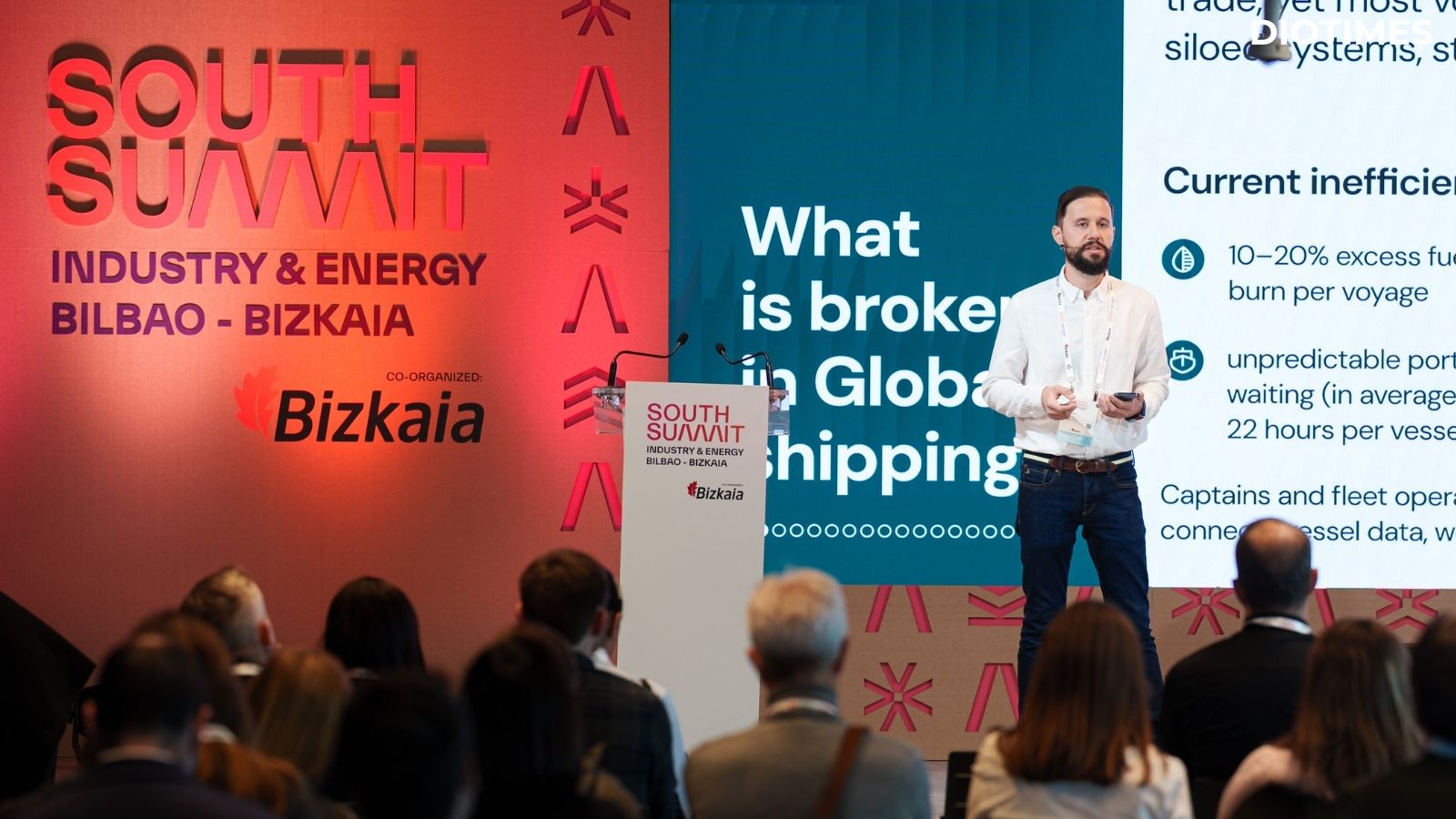
How do you foster collaboration in a conservative industry?
Trust is fundamental. Overpromising damages credibility in infrastructure sectors.
We communicate in the operational language of ports and fleet operators. Rather than positioning Harbor as disruptive technology, we emphasize incremental improvement and compatibility.
Leadership requires patience, transparency, and respect for institutional knowledge.
How do you envision operational intelligence reshaping global trade over the next decade?
Operational intelligence will increasingly enable real-time coordination across maritime networks.
We can expect improved ETA synchronization, predictive berth allocation, reduced anchorage congestion, and stronger system interoperability.
Sustainability pressures—particularly in Europe—will accelerate adoption. Ports near urban centers will continue facing environmental scrutiny, making efficiency and emission reduction inseparable priorities.
The industry will shift from reactive planning to predictive coordination and more responsible resource utilization.
What leadership lessons have been most pivotal for you?
Patience is essential when innovating within legacy infrastructure industries. Change requires time and trust.
Listening before building has been critical. Technology must follow operational reality—not the reverse.
Vision matters, but execution and credibility matter more.
In maritime, long-term relationships are fundamental. Leadership requires consistency, transparency, and respect for the ecosystem you aim to improve.