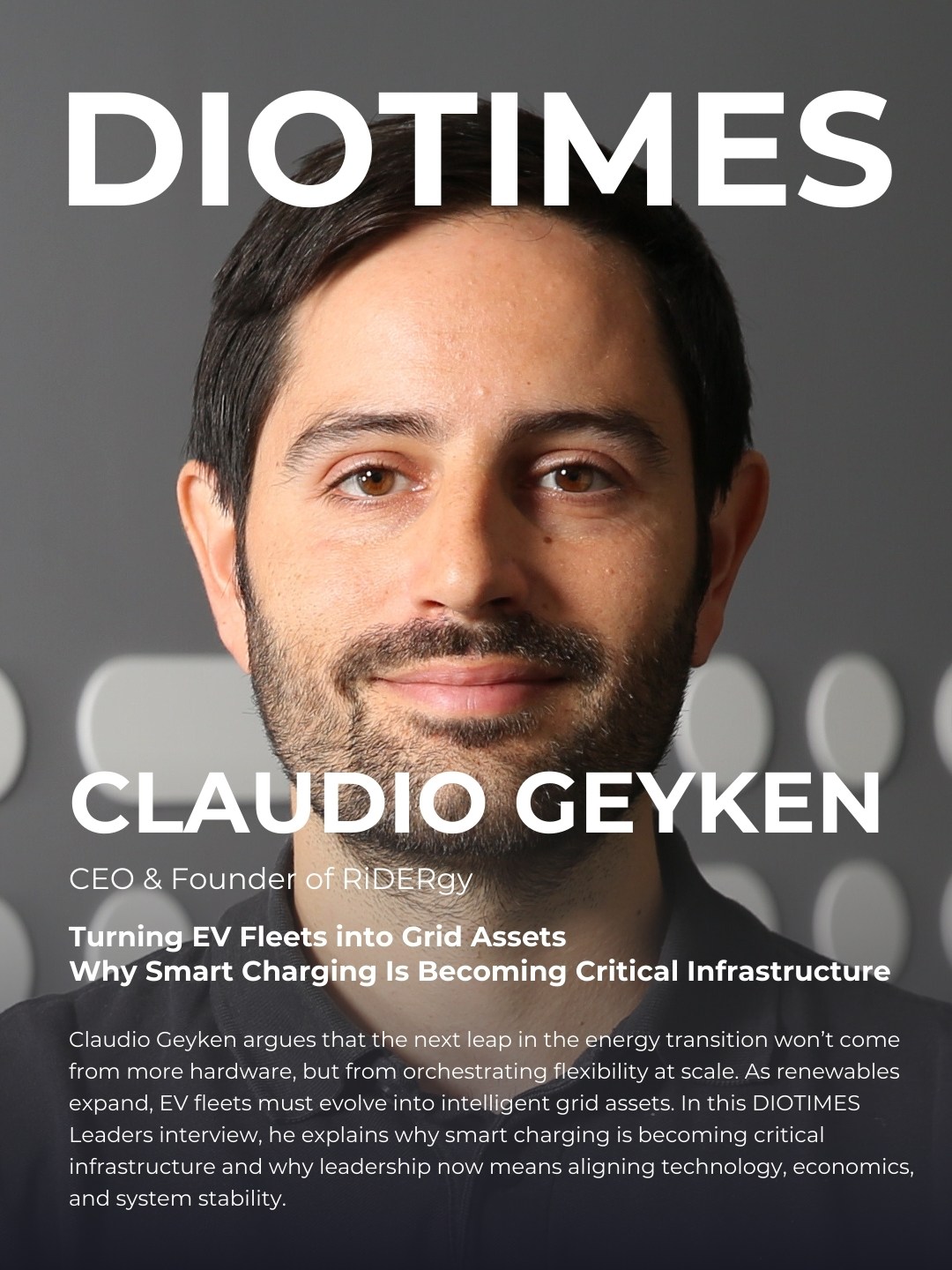
Turning EV fleets into grid assets: Why smart charging is becoming critical infrastructure
“The next big leap in the energy transition won’t come from building more hardware: it will come from orchestrating flexibility at scale.”
In this interview, we speak with Claudio Geyken, CEO & Founder of RiDERgy, about the pivotal role of electric vehicle fleets in the global energy transition and how software is turning mobility assets into critical grid infrastructure.
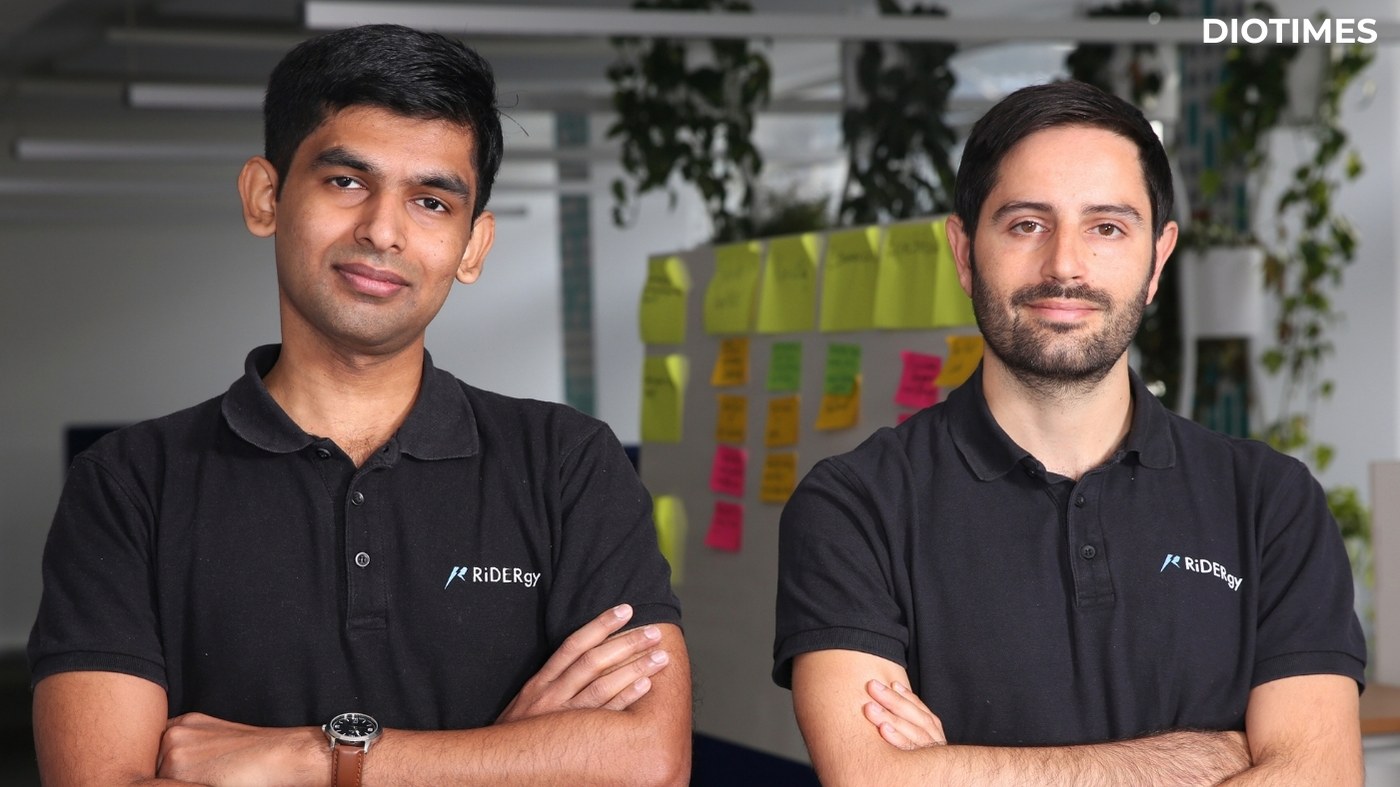
To begin, could you briefly introduce yourself and share the key moments that shaped your journey as an energy entrepreneur?
I’m Claudio Geyken, CEO & Founder of RiDERgy. I’ve spent the last decade building at the intersection of renewable energy, mobility, and entrepreneurship—always with one core obsession: how we turn ambitious climate targets into operational reality.
A few moments really shaped my path. First, working across countries early on made it obvious that the energy transition is not just a technology challenge: It’s a systems challenge. Second, building international ecosystems and partnerships taught me that the “winner” isn’t the company with the loudest narrative; it’s the one that can make collaboration work across complex stakeholders. And third, seeing electrification happen inside real-world operations made it clear: the bottleneck isn’t EVs: It’s energy coordination.
You have studied and worked across multiple countries and disciplines. How has this global and interdisciplinary background influenced your leadership style and decision-making?
It made me intensely pragmatic, and very open-minded to different and winning approaches.
In energy and mobility, the truth is always “cross-domain”: grid constraints meet depot logistics; tariffs meet operational deadlines; hardware meets software; regulation meets procurement. My leadership style reflects that: I push for clarity and measurable outcomes, but I also encourage teams to think in systems and trade-offs, not in isolated optimizations.
It also shaped how I make decisions under uncertainty: move fast, but instrument everything; iterate, but don’t compromise reliability; partner widely, but keep product accountability internal.

Renewable energy is often described as volatile. In your view, how do electric vehicles and flexible demand fundamentally change the way we should think about grid stability?
Traditionally, grids were stabilized by controlling supply. In a renewable system, that logic flips: stability increasingly comes from controlling demand and flexibility.
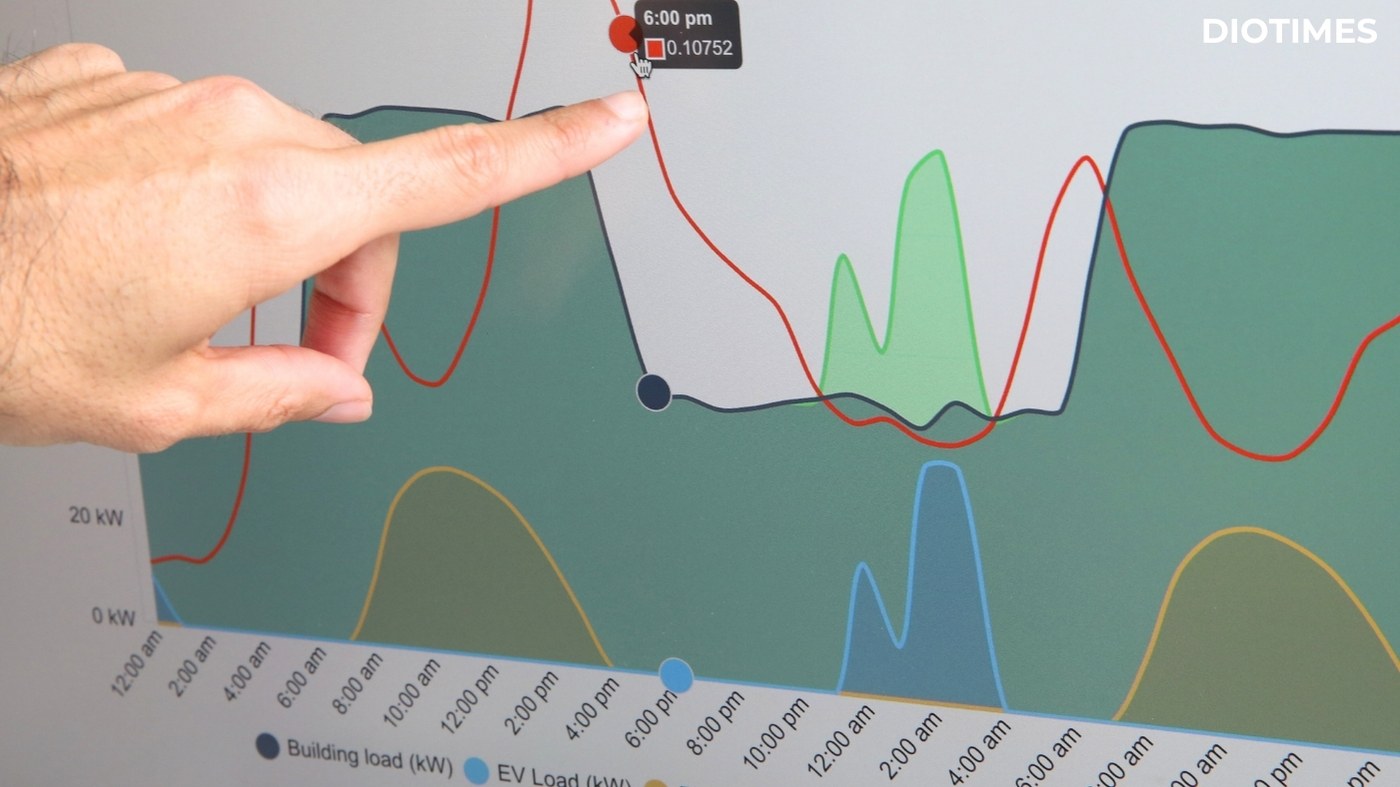
EVs are one of the largest emerging flexible loads and fleets are the most controllable segment of that load. If we orchestrate charging intelligently, we can absorb renewable generation when it’s abundant, avoid peaks when the grid is stressed, and reduce the need for expensive grid reinforcement. In other words: EVs aren’t only “consumers of electricity”, they can become stabilizers of the system.
RiDERgy positions EV fleets not just as mobility assets, but as energy assets. Could you explain this shift and why it matters for fleet operators and energy systems?
A mobility asset answers: “Can I deliver the route?” An energy asset answers: “Can I deliver the route and optimize cost, capacity, and renewables while doing it?”
The shift matters because electrified fleets sit at the center of multiple constraints. These include grid connection limits and depot loads, as well as volatile energy prices and tariff structures. Furthermore, operators must manage operational deadlines and vehicle availability, all while meeting sustainability targets and reporting requirements.
When fleets become energy assets, they can unlock savings and resilience: peak shaving, dynamic price optimization, renewable maximization and, over time, bidirectional readiness where regulation and hardware allow it. For the energy system, that same capability becomes flexibility capacity that can be scaled.
From a business perspective, what are the biggest challenges fleet operators face when electrifying at scale, and how does RiDERgy’s platform directly address them?
The biggest challenges are surprisingly consistent across fleets. First, there are capacity constraints; depots can’t simply “add chargers” without overloading the grid connection. Second is cost uncertainty, as energy prices, grid fees, and peak loads can destroy the business case if unmanaged. Third is operational risk—reliability is non-negotiable because if charging fails, the fleet fails. Finally, there is the issue of fragmentation, where vehicles, chargers, CPMS, tariffs, and metering data are rarely in one place.
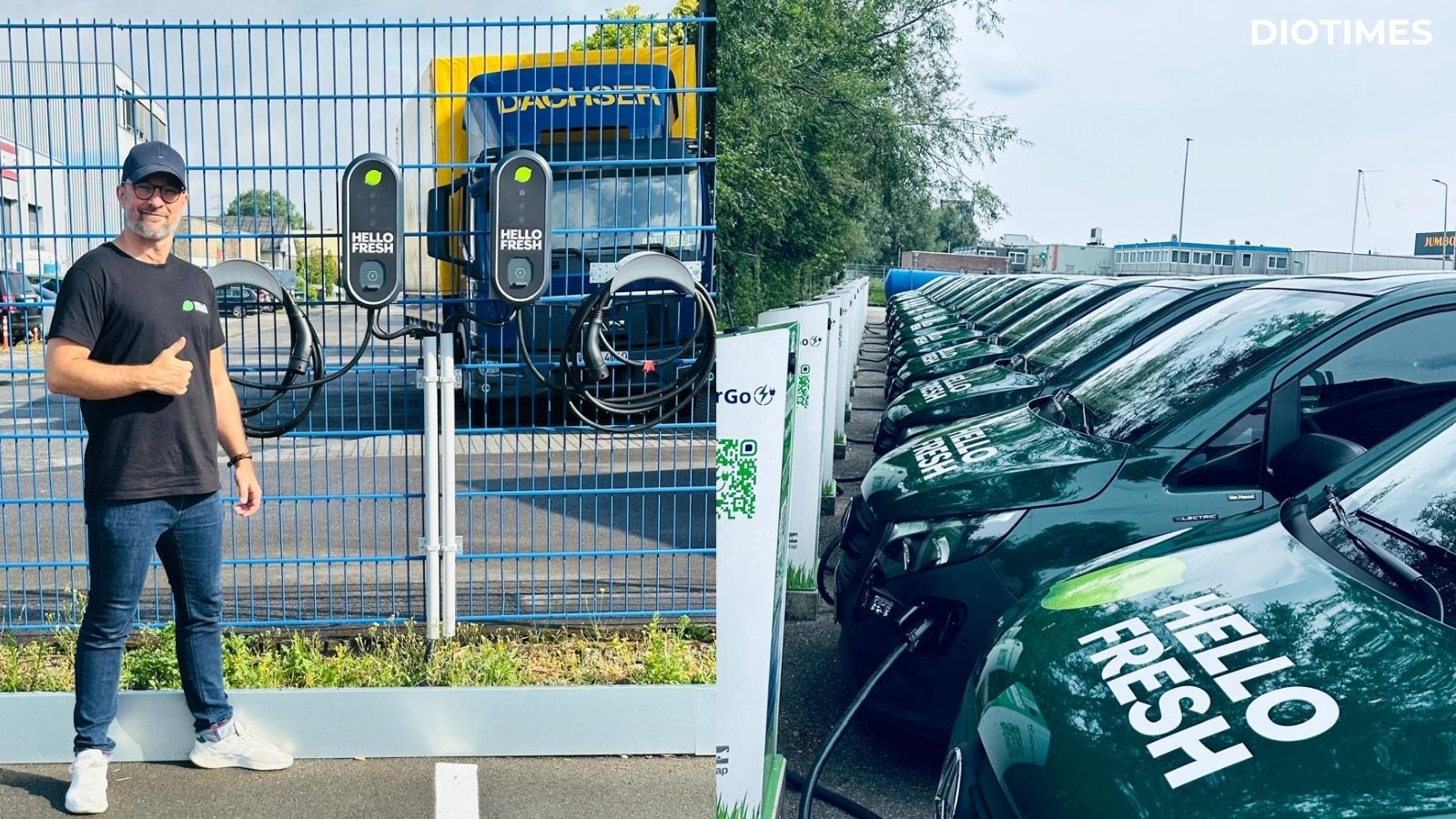
RiDERgy tackles this by acting as the optimization and orchestration layer. We ingest energy and mobility signals, compute charging schedules that meet operational constraints, and control charging via interoperable integrations without locking customers into hardware. The outcome we aim for is simple: lower total energy cost, higher uptime, and a system that scales.
Your solution integrates power market data, grid conditions, charging infrastructure, and mobility data. What has been the hardest part of building this kind of system, both technically and organizationally?
Technically, the hardest part is building an optimization engine that is both powerful and operationally robust because real fleets don’t tolerate “almost correct.” Data is messy, connectivity isn’t perfect, and edge cases happen daily.
Organizationally, the hardest part is aligning teams around one truth: reliability and customer operations are part of the product, not “support.” In energy, you can’t separate software from outcomes. So we build with rigorous testing, conservative fallback logic where needed, and tight feedback loops with partners and customers.
Before RiDERgy, you founded and led CommUnity by InnoEnergy. How did that experience shape your approach to building teams, partnerships, and ecosystems today?
It taught me that ecosystems aren’t “nice to have”, they’re a competitive advantage.
In energy and mobility, nobody wins alone. Utilities, charging providers, vehicle OEMs, depot operators, and software companies all depend on each other. Building CommUnity sharpened my ability to create trust, align incentives, and turn partnerships into execution, not just logos on a slide.
At RiDERgy, we apply that same mindset: partner broadly, integrate fast, and always stay focused on measurable value delivery.
You have been recognized as both a Climate Reality Leader and a Circular Economy Leader. How do these perspectives influence RiDERgy’s long-term strategy beyond pure commercial success?
They anchor us in the “why” and protect us from short-termism. The energy transition is not only about decarbonizing energy—it’s about building resilient systems that don’t externalize costs to society.
For RiDERgy, that means maximizing renewable utilization where possible and reducing grid stress rather than shifting it elsewhere. It also involves preparing fleets for the next phase, which includes flexibility markets, V2X readiness, and smarter infrastructure utilization.
Commercial success matters because it’s how impact scales but the strategy remains mission-aligned: make electrification cheaper, more reliable, and more grid-compatible.
As CEO, how do you balance rapid scaling, technological reliability, and maintaining a clear mission-driven culture within the company?
By being explicit about priorities.
We scale in a way that preserves reliability: careful rollout processes, disciplined integrations, and measurable performance KPIs. We also keep mission-driven culture concrete, not slogans. We tie mission to product decisions: does this improve uptime? Does it reduce system cost? Does it support renewable integration? If not, it’s noise.
The best culture I know is one where people feel pride not only in shipping fast, but in shipping things that work in the real world.
Looking ahead, how do you see the convergence of energy, mobility, and software reshaping industries over the next decade?
We’ll see fleets evolve into digitally managed energy nodes. In practice, that means depots will become energy hubs containing EVs, chargers, solar panels, batteries, and building loads. Operations will get algorithmic regarding scheduling, forecasting, and constraint handling. Additionally, cost optimization will become continuous rather than a yearly procurement event, and flexibility will become monetizable as markets mature.
Software will become the coordination layer because the complexity is too high to manage manually. The winning players will be those who can integrate deeply, prove reliability, and translate complexity into simple outcomes for operators.

Finally, what is your long-term vision for RiDERgy, and what kind of impact do you hope your work will have on society and the global energy transition?
RiDERgy’s long-term vision is to become a foundational energy management layer for electric vehicles and more energy assets globally. “DER” in the company name stands for Distributed Energy Resources which we want to enable with smart algorithms and the right system integrations globally.
Impact, to me, looks like a world where fleets electrify faster because the economics are clearer and operational risk is lower. It means grids can absorb more renewables because demand is orchestrated intelligently. Ultimately, society gets the benefits of lower emissions, lower system costs, and more resilience, without sacrificing reliability.
If we do our job well, smart charging won’t feel like “innovation.” It will feel like infrastructure: invisible, dependable, and indispensable.