Industrial water has long been treated as a cheap, invisible resource. But that assumption is rapidly collapsing. As global industries face rising costs, regulatory pressure, and water scarcity, a new paradigm is emerging—one where water is no longer consumed, but continuously regenerated.
In this DIOTIMES Leaders interview, Javier López Palacios explains how his company is transforming industrial water from a linear cost into a circular, data-driven asset.
To begin, could you briefly introduce yourself and the story behind founding URAPHEX?
I am Javier López Palacios, CEO of URAPHEX. My journey toward founding the company did not begin in a laboratory, but inside industrial plants.
While working in the agri-food sector as a process and SAT engineer, I identified two critical gaps. First, water was being used on a massive scale, yet managed inefficiently and heavily dependent on aggressive chemicals. Second, there was a complete lack of real-time monitoring and control.
Companies were essentially operating blind—purging water based on fixed timers rather than actual quality. This led to enormous waste, both economically and environmentally.
We founded URAPHEX to solve this. Our goal was to eliminate chemical dependency and bring intelligence and transparency into water management. We are transforming a linear, analog system into a circular, digital one.
For a general audience, how would you explain URAPHEX in simple terms?
URAPHEX redefines how industry treats water.
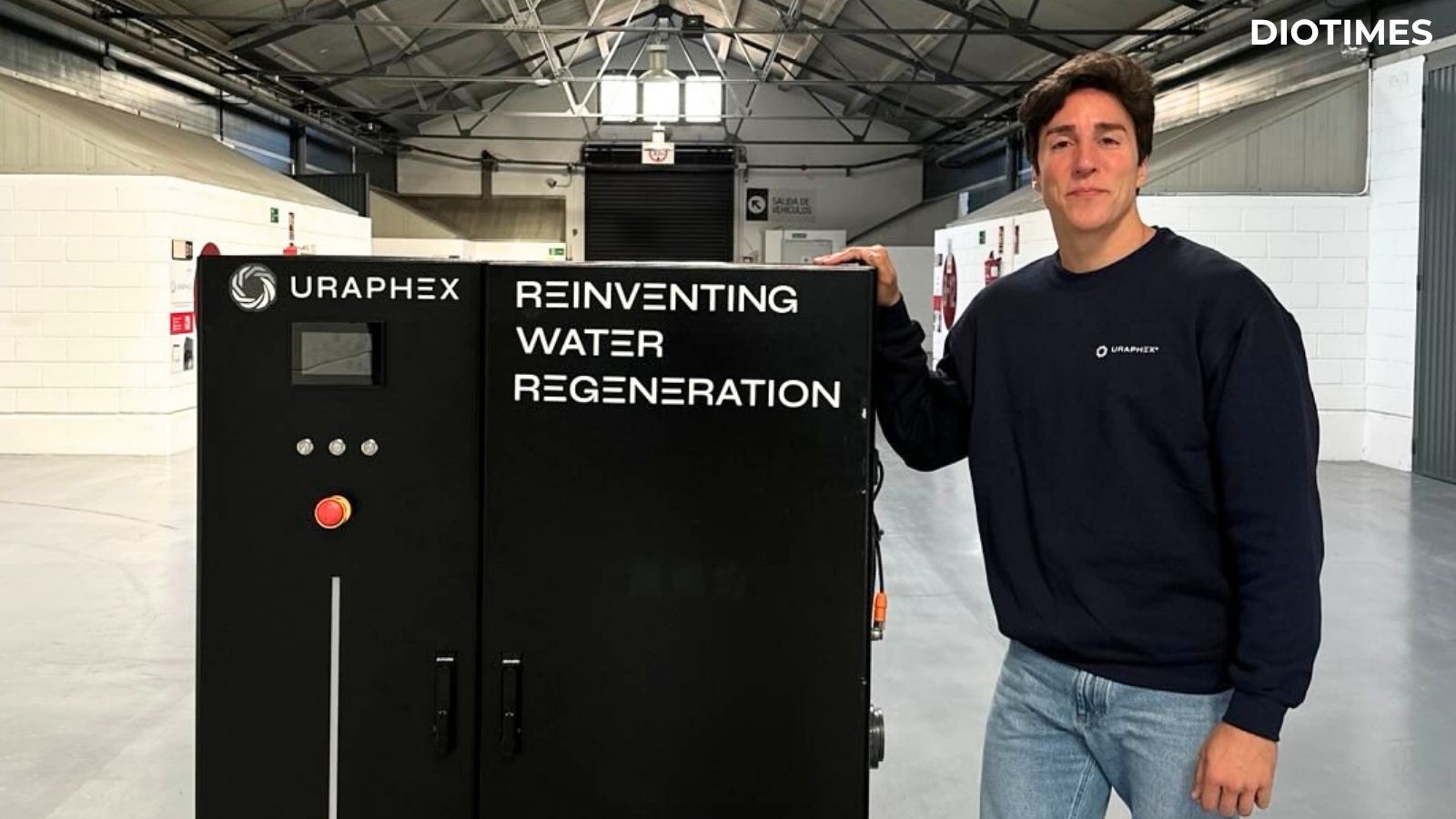
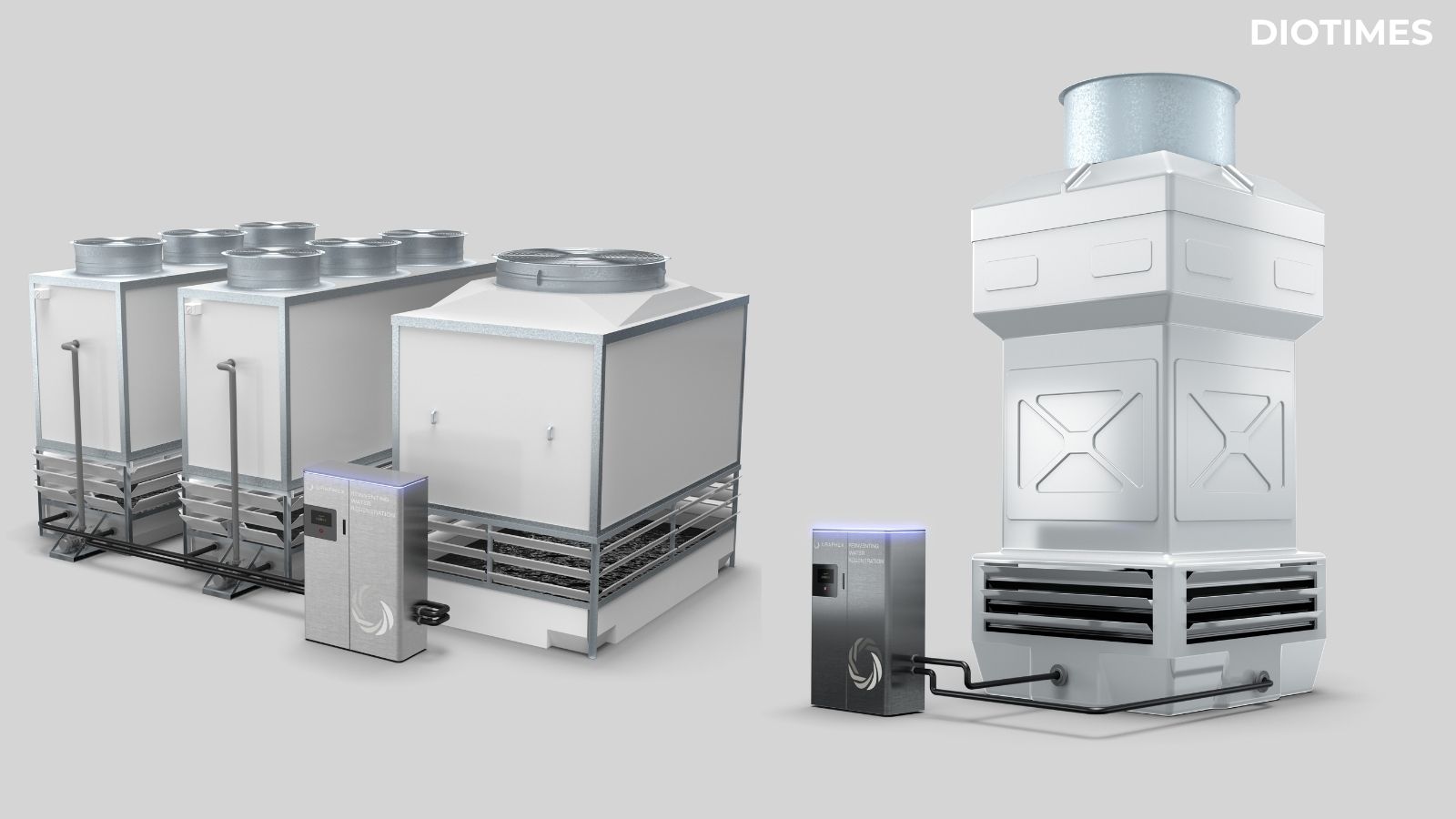
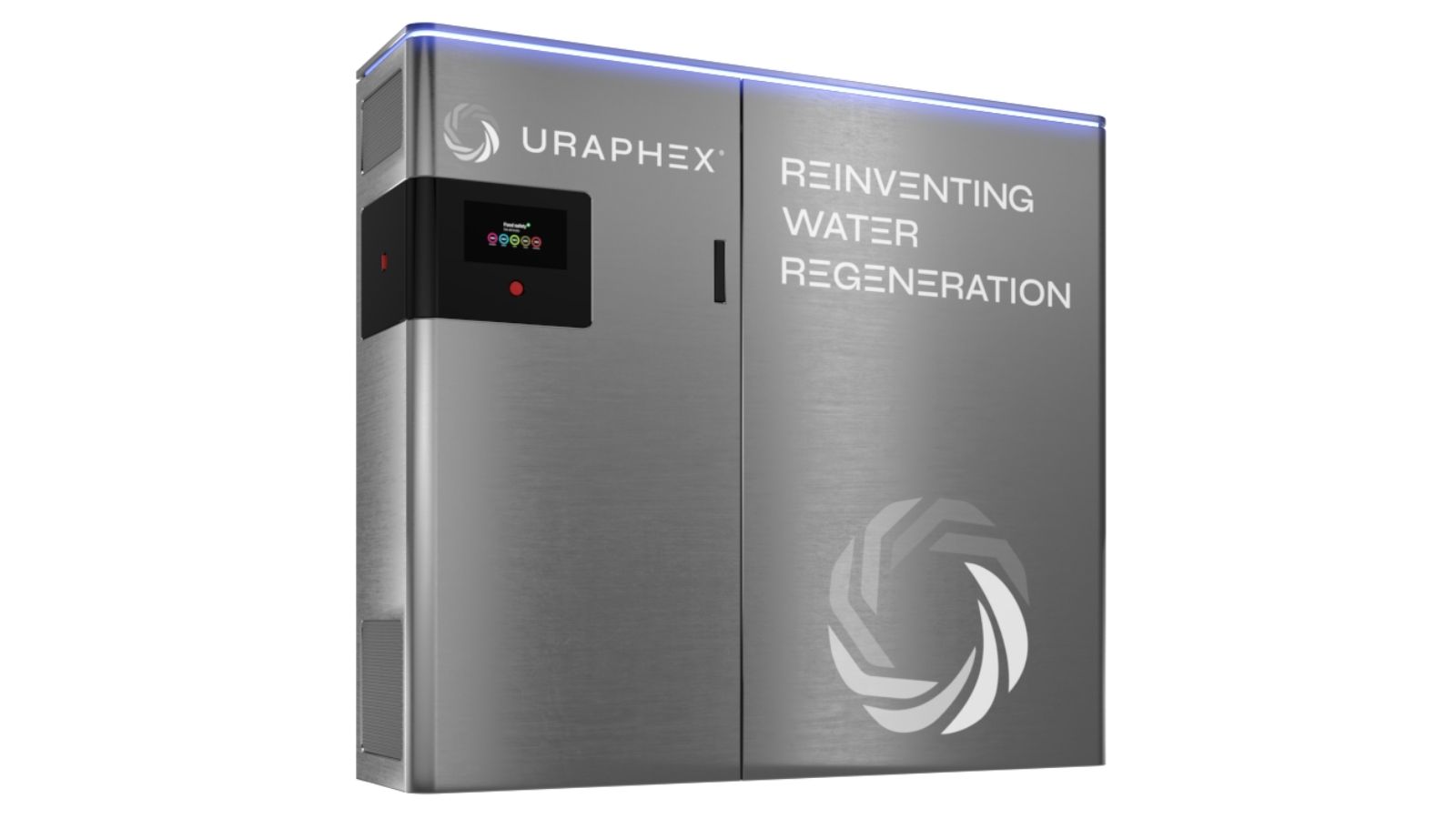
Traditionally, water is treated at the end of a process. We change that by regenerating water directly where it is used. Our system acts as a continuous, intelligent loop integrated into industrial operations.
We solve water scarcity and chemical dependency by providing a chemical-free, cost-efficient regeneration solution. Our patented PHEX technology allows industries to reuse up to 90% of their water without altering core operations.
What is the core problem in industrial water usage today?
The biggest issue is that water is still treated as an infinite, low-cost resource.
Companies underestimate both the risk of water scarcity and the increasing regulatory pressure. At the same time, they carry a hidden financial burden from continuous chemical usage.
The current system is outdated—based on blind purging instead of real data. This results in double waste: losing water that could be reused and paying for chemicals that degrade both infrastructure and margins.
Soon, efficient water management will not be optional. It will determine whether a company can continue operating.
How would you define URAPHEX’s value proposition in one sentence?
A sustainable, cost-effective, and chemical-free solution for water regeneration in industrial processes.
How does your technology differ from conventional water treatment systems?
Traditional systems are additive—they rely on continuously adding chemicals such as chlorine.
Our PHEX technology is generative. It uses the water itself to produce natural disinfectants through an advanced oxidation process. Once the treatment is complete, these elements revert back into water, leaving no toxic residue.
This allows continuous, closed-loop water regeneration instead of end-of-line treatment.
What are your strongest competitive advantages?
Our advantage rests on three pillars.
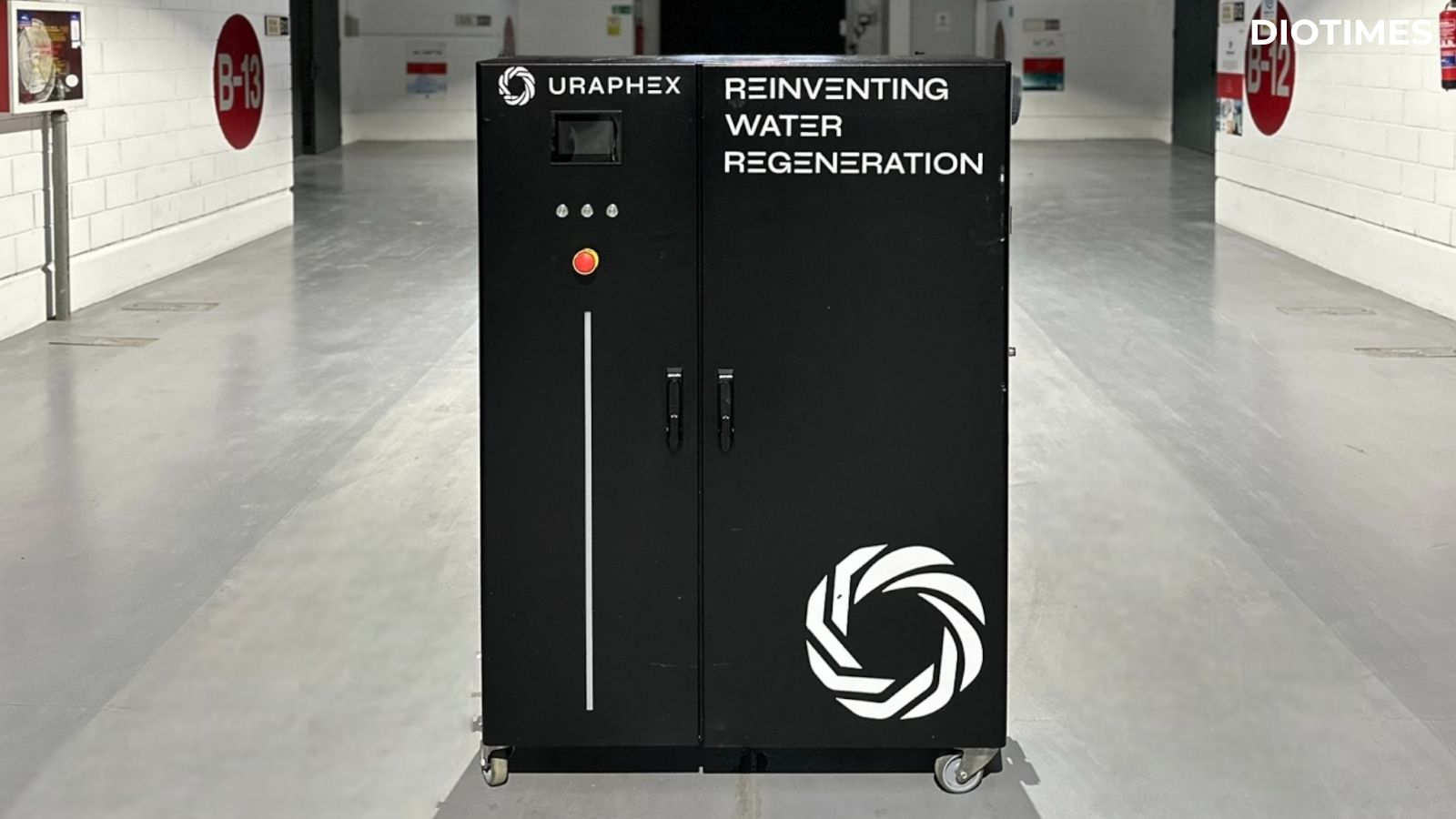
First, in-situ modular regeneration. Our systems integrate directly into existing processes without major infrastructure changes.
Second, strong financial performance. Most clients achieve full payback in under two years, driven by eliminating chemical costs and reducing water consumption by up to 90%.
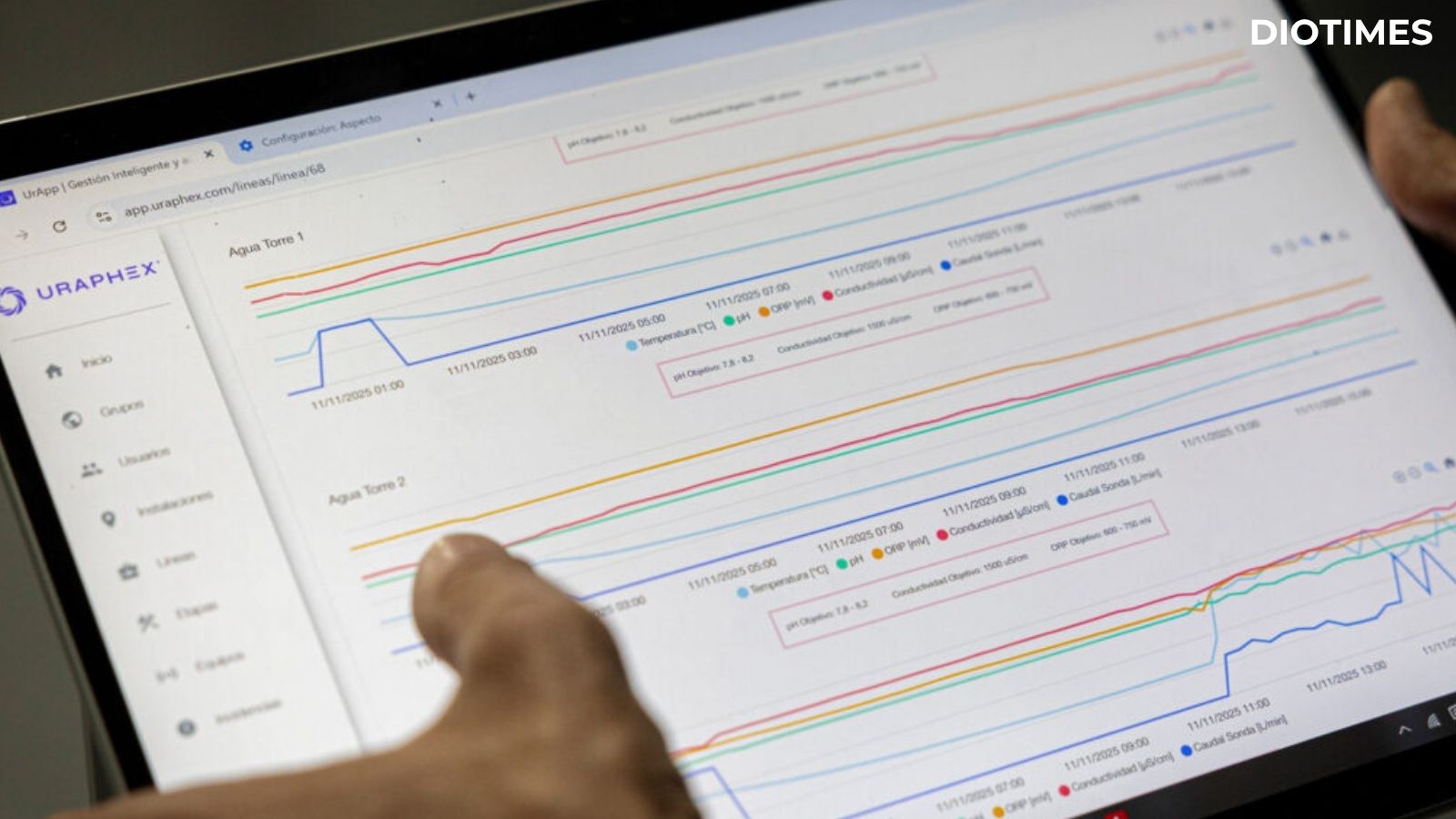
Third, full digitalization. Through real-time monitoring and automation, we reduce maintenance costs by over 75% and transform water management into a data-driven system.
How would you describe the current competitive landscape?
The market is at a turning point.
On one side, we have the traditional chemical industry, built on recurring product sales. This model has created long-term dependency.
On the other, emerging circular solutions still tend to be reactive and slow.
URAPHEX is different. We move from a consumable-based model to a technology-driven one. Instead of selling chemicals, we enable autonomy and long-term resilience.
How large is this market, and what is its growth potential?
The opportunity is massive and underestimated.
Water is becoming what energy once was—a key driver of industrial competitiveness. Rising costs, stricter regulations, and scalability across industries will accelerate adoption.
Within 5 to 10 years, technologies enabling high levels of water reuse will become mandatory. We are looking at a complete redesign of the global industrial water ecosystem.
Could you share the current scale and growth of URAPHEX?
We are in a phase of structured exponential growth.
Our team currently consists of 21 specialists, and we expect to exceed 50 by 2027. In terms of revenue, we are growing at a 3x annual rate and expect to surpass €3.5 million in 2026.
We have successfully moved beyond the pilot phase and are now scaling with major industrial clients.
What is your approach to funding and investment?
Our funding strategy has been highly selective.
We began with experienced industrial investors who understood the problem deeply. Today, we are a profitable and solvent company, financing our growth organically.
We value independence and are not actively seeking new investment unless it enables a major global expansion.
Why do major companies choose URAPHEX?
Companies choose us because we eliminate the trade-off between sustainability and profitability.
We help them achieve both environmental targets and cost reductions simultaneously. Our solutions are reliable, data-driven, and easily integrated into existing operations.
This combination is what global industrial players need.
What is your global expansion strategy, and why is Korea important?
We focus on high-impact industrial markets.
Korea is particularly strategic. It combines advanced industries such as semiconductors with strong food production and a high level of technological adoption.
This makes it an ideal environment for deploying circular water solutions at scale.
What is your long-term vision for URAPHEX?
We aim to redefine how industry interacts with water.
Water should no longer be treated as waste, but as a circular strategic asset. Our ambition is for URAPHEX to become synonymous with industrial water efficiency—just as certain brands define entire product categories.
We are not just building a company. We are creating a new global standard for industrial sustainability.