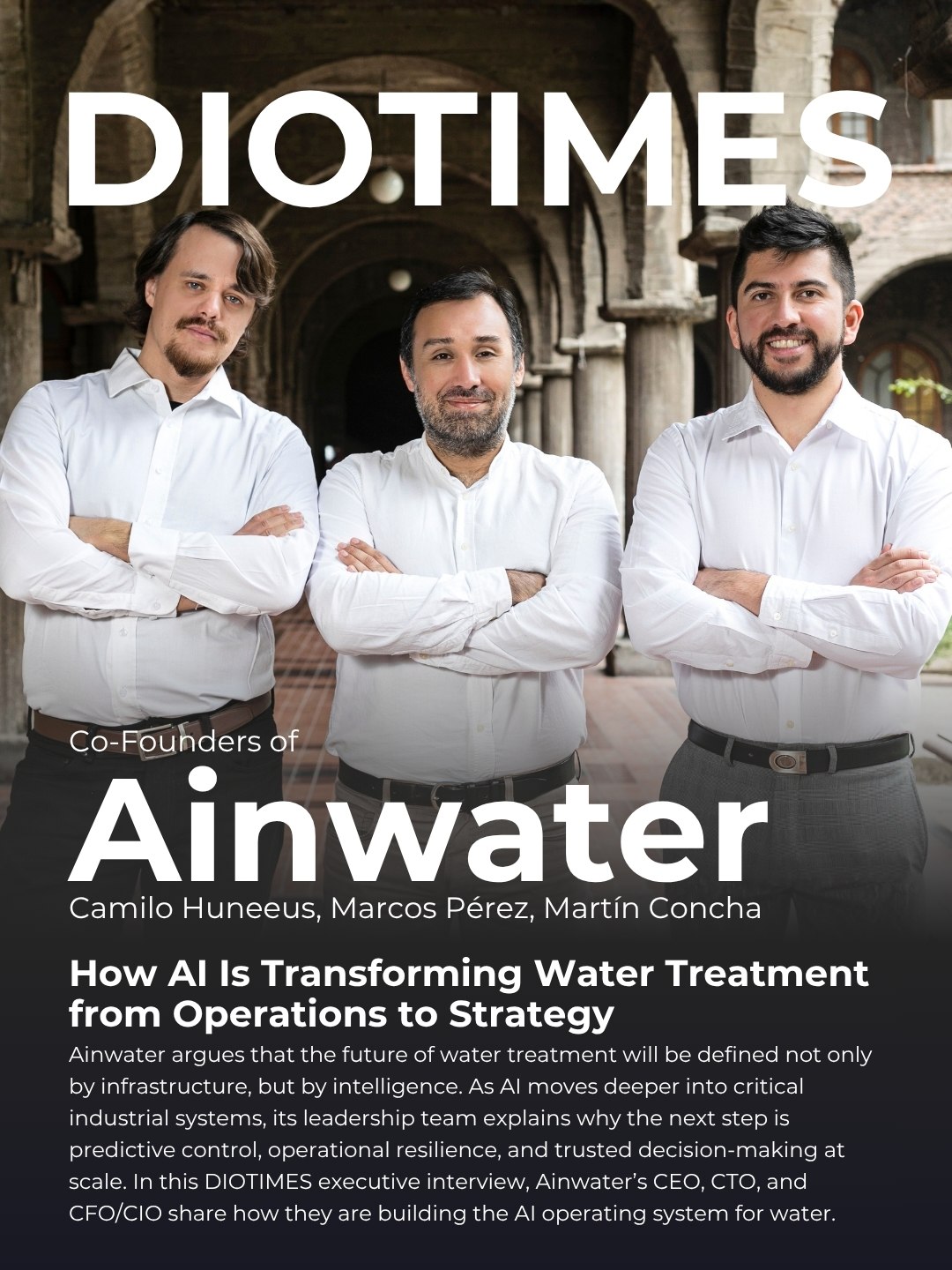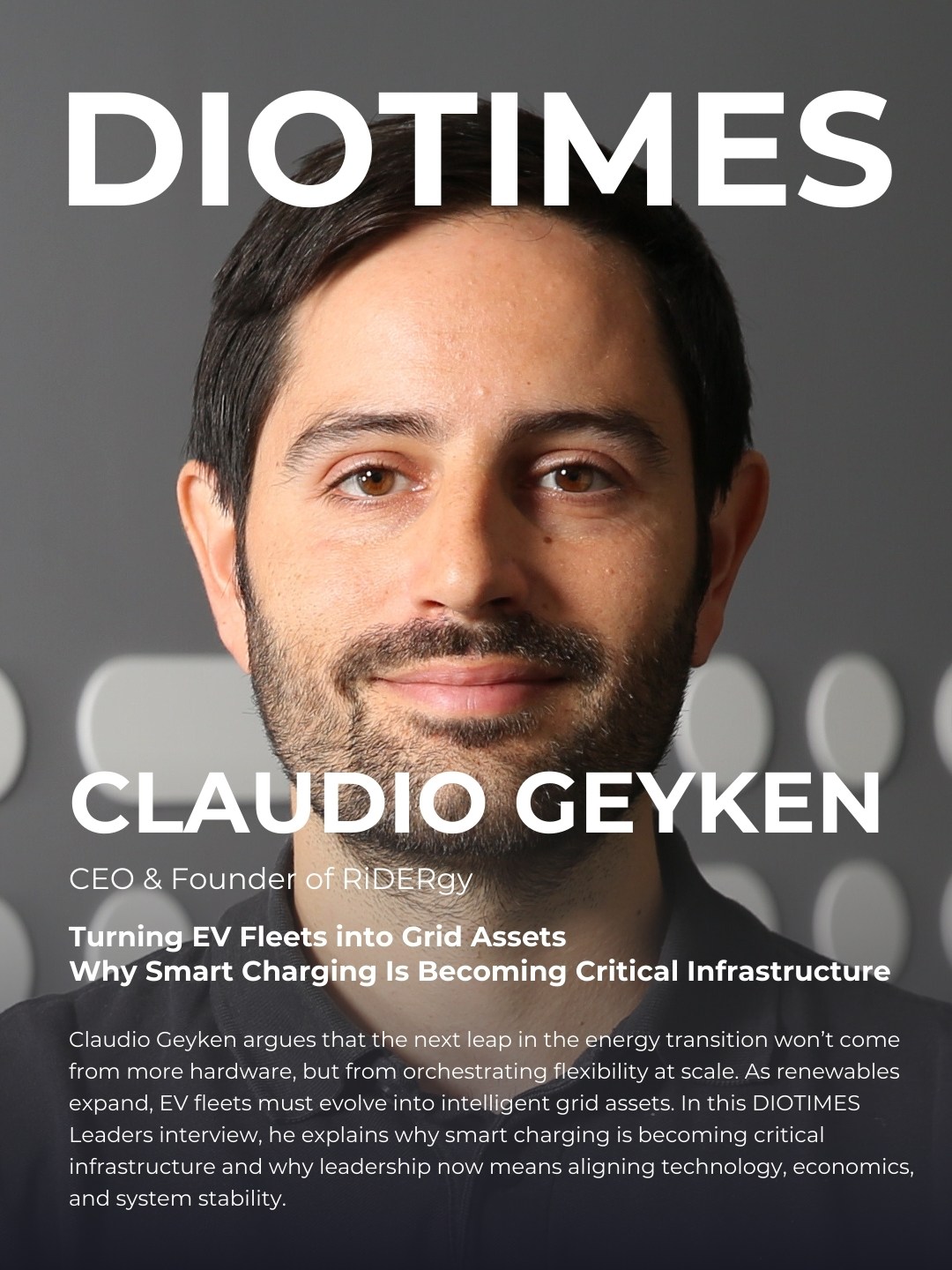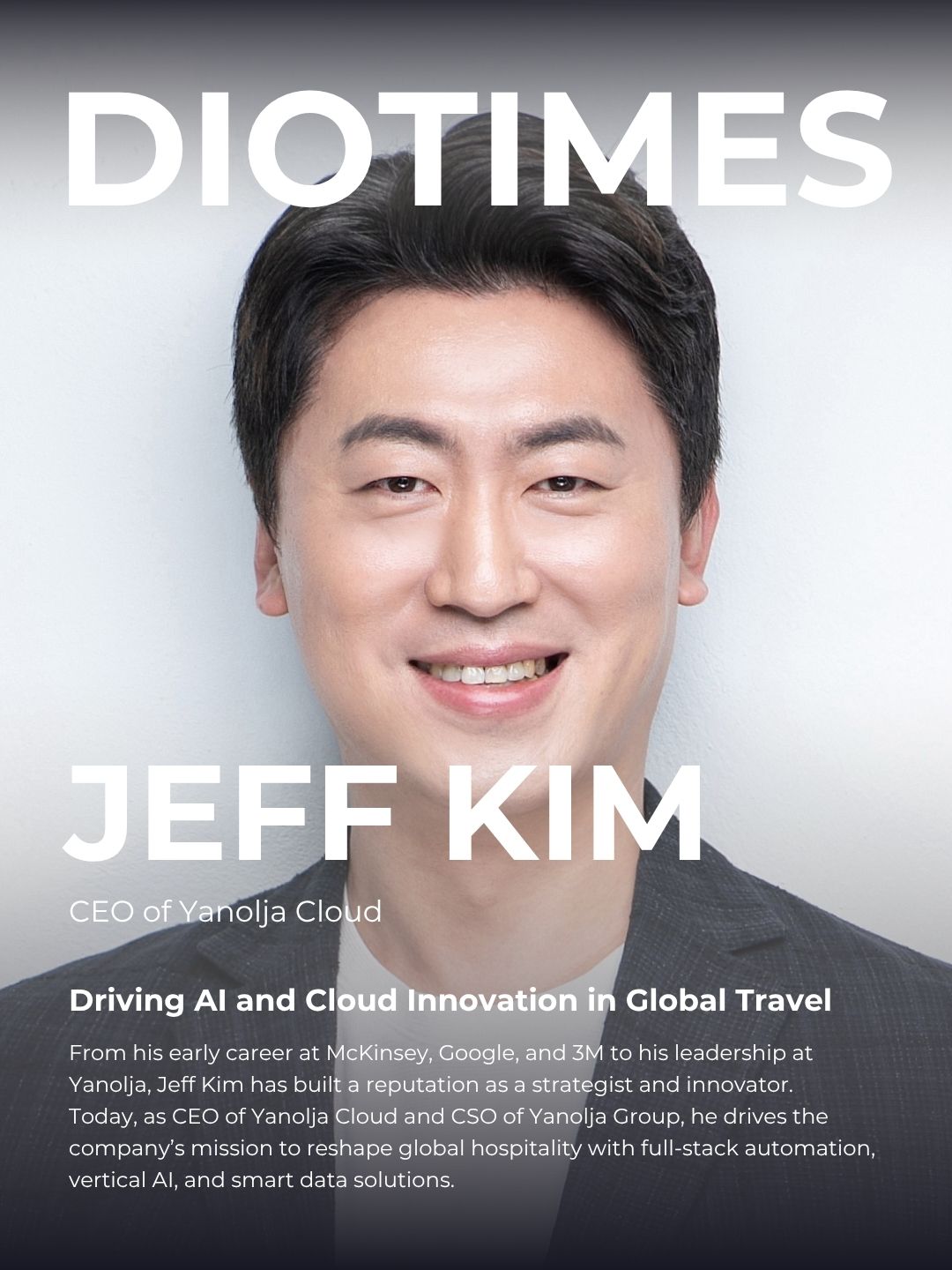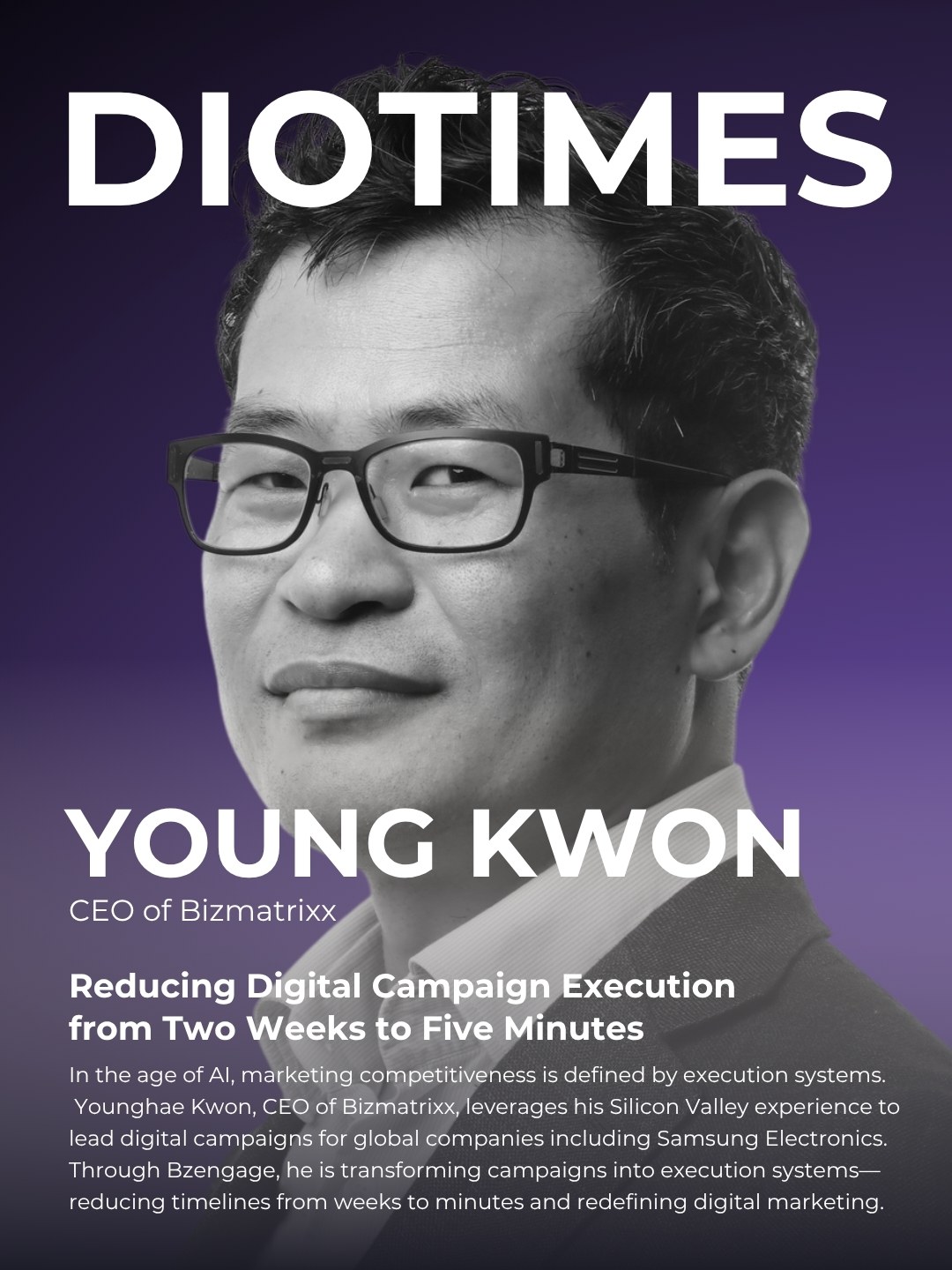

Good leaders are not defined only by strong personal ability. Truly good leaders build systems that allow the organization to protect customers, develop talent, make sound decisions, and earn the trust of partners and shareholders even when the leader is not directly involved. A company that depends entirely on one chief executive may move quickly, but it can become risky over the long term. By contrast, a company where the leader’s philosophy and standards expand into the way the whole organization works is more likely to grow stronger over time. Investors, shareholders, customers, business partners, and talent should look not only at the personal ability of a leader, but also at what kind of system that leader is building.
Good leaders are not only personally excellent
When people think of good leaders, they often think of strong personal ability. Fast judgment, strong execution, persuasion, crisis response, market insight, and the ability to move people all come to mind. These abilities matter. Especially in the early stages of a company, the energy and judgment of one leader often move the entire business.
But good leadership does not end with personal excellence.
Truly good leaders make it possible for the organization to move in the right direction even when they are not present. They are not people who personally solve every problem. They are people who create the standards and structures that allow the organization to solve problems. They are not people who make every decision themselves. They are people who build systems that allow good people to judge and move in the same direction.
When a company is small, the founder’s intuition and speed can be major strengths. But as a company grows, one leader’s ability is no longer enough. Customers increase, the number of employees grows, shareholders demand greater responsibility, and business partners expect predictable execution. At this stage, what is needed is an organizational system that goes beyond the leader’s personal ability.
Good leaders do not keep the company tied to themselves. Good leaders build companies that can grow beyond themselves.
A company can be explained by numbers. But its direction is determined by leaders. And sustainable direction remains inside the organization through systems.
A company dependent on one chief executive is risky
A company where one chief executive knows everything, decides everything, and personally solves every problem may look strong from the outside. Decision-making may appear fast. Direction may seem clear. External observers may see it as powerful leadership.
But this structure contains risk.
When the chief executive is busy, the organization stops. When the chief executive is absent, decisions are delayed. Employees wait for the leader’s thoughts instead of making judgments on their own. Middle leaders do not grow. Every important customer, partner, and investor relationship becomes concentrated around one person. If the chief executive becomes unstable, the entire company becomes unstable.
This may look like strong leadership. But over the long term, it can be a fragile structure.
A good company is not merely a company with an excellent chief executive. It is a company where the chief executive’s philosophy and standards have expanded across the organization. It is a company where employees know what matters even when the leader does not say it directly. They know how to respond to customers. They know what standards should guide decisions.
In a company dependent on the chief executive, the leader’s limits become the company’s limits. But in a company with systems, the leader’s philosophy becomes organizational capability.
Good leaders leave standards behind
Systems do not mean only procedures or documents. More importantly, systems mean standards.
What should the company value?
What attitude should it have toward customers?
When short-term revenue conflicts with long-term trust, what should be chosen?
How should good talent be treated?
When problems arise, should they be hidden or shared?
How should the company communicate with shareholders and the market?
How much weight should the company give to promises made to partners?
When these standards take root inside the organization, the company becomes stronger.
Good leaders create standards through repeated choices. They do not merely say that customers are important. They make decisions that protect customer trust. They do not merely say that talent matters. They build environments where good people can grow. They do not merely speak about transparency. They explain difficult issues responsibly.
Employees listen to a leader’s words, but they observe the leader’s choices even more. They watch what the leader allows, what the leader recognizes, and what the leader repeats. In this way, a leader’s standards become organizational culture.
Good leaders leave behind standards that work not only when they are present, but also when they are absent.
Good systems make good people stronger
Having good talent does not automatically create a good organization. Even when good people are present, they cannot last long if standards are unclear, authority is missing, decisions are unstable, responsibility is heavy, and support is weak.
Good systems make good people stronger.
When there is clear direction, talent knows where to focus energy. When roles and responsibilities are clear, people can respect each other’s work. When authority is given, people can judge and execute faster. When evaluation standards are fair, good people can stay longer. When failure is treated as learning, new attempts become possible.
When systems are weak, even good talent becomes exhausted. Every decision is concentrated around the chief executive. Standards change depending on circumstances. The burden falls only on people who work well. People who raise problems become uncomfortable presences. The more responsible a person is, the more they are consumed.
Good leaders do not stop at recognizing talent. They build systems where good talent can work longer and grow bigger.
Talent joins because of leaders, but stays because of systems and culture.
Customers experience the systems created by leaders
Customers rarely have the opportunity to hear the chief executive’s thoughts directly. What customers actually experience is the product, service, response, problem resolution, delivery, quality, and after-sales support. All of these come from the organization’s systems.
The systems created by good leaders appear in the customer experience.
When problems arise, the company explains responsibly. Customer complaints are not hidden, but treated as signals for improvement. Employees do not see customers merely as complaints, but as relationships. The company tries to reduce the gap between product description and actual experience. Promises to customers are not treated lightly.
This does not happen by accident. It is the result of how the leader sees customers, how much the leader values customer trust, and what standards the leader has embedded inside the organization.
In risky companies, the chief executive may speak about customer focus, but the system may fail to support it. Advertising may be strong, but response may be slow. Product descriptions may be impressive, but problem resolution may be unclear. The company may be kind before the sale, but indifferent after the sale.
Customers judge companies through experience, not words. And customer experience shows whether leadership has turned into systems.
Shareholders should look beyond the individual leader to the leadership structure
Shareholders look at company numbers. Revenue, profit, cash flow, growth rate, stock price, and corporate value all matter. But long-term shareholders must also look at the structure behind those numbers.
Is this company excessively dependent on one chief executive?
Can decisions be made even without the chief executive?
Are good people working with authority?
Are middle leaders growing?
Are there standards inside the organization that protect customer trust and shareholder trust?
Is leadership expanding into systems?
These questions are directly connected to long-term corporate value.
A company can grow quickly because one leader is outstanding. But if that growth depends only on the individual leader, it becomes a risk for shareholders. If the leader becomes exhausted, makes poor judgments, or the market changes, the organization may not be able to respond on its own.
By contrast, a company where the leader’s philosophy and standards have become organizational systems is more likely to last. It can continue to attract good people, maintain customer trust, keep standards in crisis, and develop the next generation of leaders.
Shareholders should not look only at the ability of the chief executive. They should look at how that ability remains inside the organization.
Business partners want predictable systems
For business partners, good words are not enough. What matters is whether promises are kept, schedules are managed, people in charge have authority, and problems are shared transparently when they arise.
These are all matters of system.
The first meeting with the chief executive may be impressive. The vision may be attractive. The collaboration idea may be exciting. But if the person in charge has no authority, internal decision-making is slow, words change often, and problems are shared too late, partners become anxious.
Good leaders do not allow collaboration to depend only on the personal relationship of the chief executive. They appoint people in charge, give them authority, clarify roles and schedules, and create standards for sharing problems when they arise.
A company that gives trust to partners is a predictable company. Predictability does not mean being slow or conservative. It means partners can understand what standards the company follows, who makes decisions, and how the company responds when problems appear.
Good leaders build systems that partners can trust.
In the AI era, leadership that builds systems becomes more important
In the AI era, many tasks can be handled faster. Content creation, data analysis, customer support, workflow automation, marketing, and operations management can all become faster than before. But as tools increase, more important questions emerge.
What should be automated?
Which data matters?
Which judgments should remain human?
Which parts of the customer experience must be protected?
By what standards should the organization use new tools?
If a company cannot answer these questions, having many tools will not make the organization stronger.
AI can become powerful for companies with good systems. If there are clear standards, organized data, a healthy organizational culture, and responsible decision-making structures, AI can increase execution speed, improve customer experience, and expand employee capability.
But in companies with weak systems, AI can increase confusion. If tools are adopted without standards, work may increase while direction remains unclear. Automation may happen, but customer trust may weaken. Data may accumulate, but judgment may remain unstable.
Good leaders in the AI era are not merely people who use tools. They are people who build the organizational systems that allow tools to work properly.
Good leaders create structures where the next leaders can emerge
One of the most important roles of a good leader is developing the next leaders. For a company to last, one person’s capability is not enough. The organization needs people who can read new markets, take responsibility for customers, improve products, operate the organization, and make judgments in crisis.
Good leaders create structures where these people can grow.
They give opportunities. They give authority. They allow people to make judgments. They allow people to learn from mistakes. They help people think from a broader perspective. They develop people not simply as good workers, but as people who can judge with standards.
This is the expansion of leadership.
Risky leaders may feel uncomfortable when next leaders begin to grow. They may become cautious about people who are more capable than themselves. They may refuse to share authority and keep all important decisions tied to themselves. In this kind of organization, future leaders struggle to grow.
A company where one chief executive does everything well may look strong. But a company where no next leaders emerge becomes weaker over time. A good company is not a company with only one outstanding leader. It is a company where multiple responsible leaders can move in the same direction.
Good systems turn a leader’s philosophy into organizational habits
Leadership does not remain only in words. Good leadership remains as organizational habits.
The habit of treating customers.
The habit of discussing problems in meetings.
The habit of sharing unfavorable information.
The habit of welcoming new people.
The habit of keeping promises with partners.
The habit of explaining responsibly to shareholders and the market.
The habit of taking responsibility in crisis.
These habits become organizational culture. And organizational culture becomes long-term competitiveness.
Good leaders turn their philosophy into organizational habits. They create repeated standards, recognize people who protect those standards, and do not ignore behavior that damages those standards. In this way, the organization becomes able to move in the same direction even without the leader’s constant presence.
Systems do not mean cold procedures only. Good systems are structures that allow good philosophy to be repeated. A system is what allows the philosophy of respecting customers, developing talent, building trust with partners, and taking responsibility toward shareholders and the market to be repeated inside the organization.
Ultimately, good leaders build companies beyond themselves
Good leaders are not people who solve everything by themselves. Good leaders are people who enable the organization to make better judgments, place good people in the right roles, protect customers, build trust with partners, and communicate responsibly with shareholders.
The personal ability of a chief executive matters. But what matters even more is what that ability leaves behind inside the organization.
Does it remain as standards?
Does it remain as people?
Does it remain as culture?
Does it remain as systems?
Does it remain as next leaders?
When a company can answer these questions, it is more likely to last.
Business can be copied. Products, services, content, operating methods, and marketing strategies can all be replicated over time. But the ability of a good leader to turn philosophy and standards into organizational systems is not easily copied.
Investors, shareholders, customers, business partners, and talent should not look only at the individual leader when evaluating a company. They should look at what kind of system that leader is building. They should ask whether the company is trapped inside one person or whether the leader’s standards are helping the entire organization grow in the same direction.
A company can be explained by numbers. But its direction is determined by leaders.
And the sustainability of a good company begins with whether its leader can build systems beyond themselves.